
Introduction: In an Emergency, What You Do in the First 10 Minutes Matters
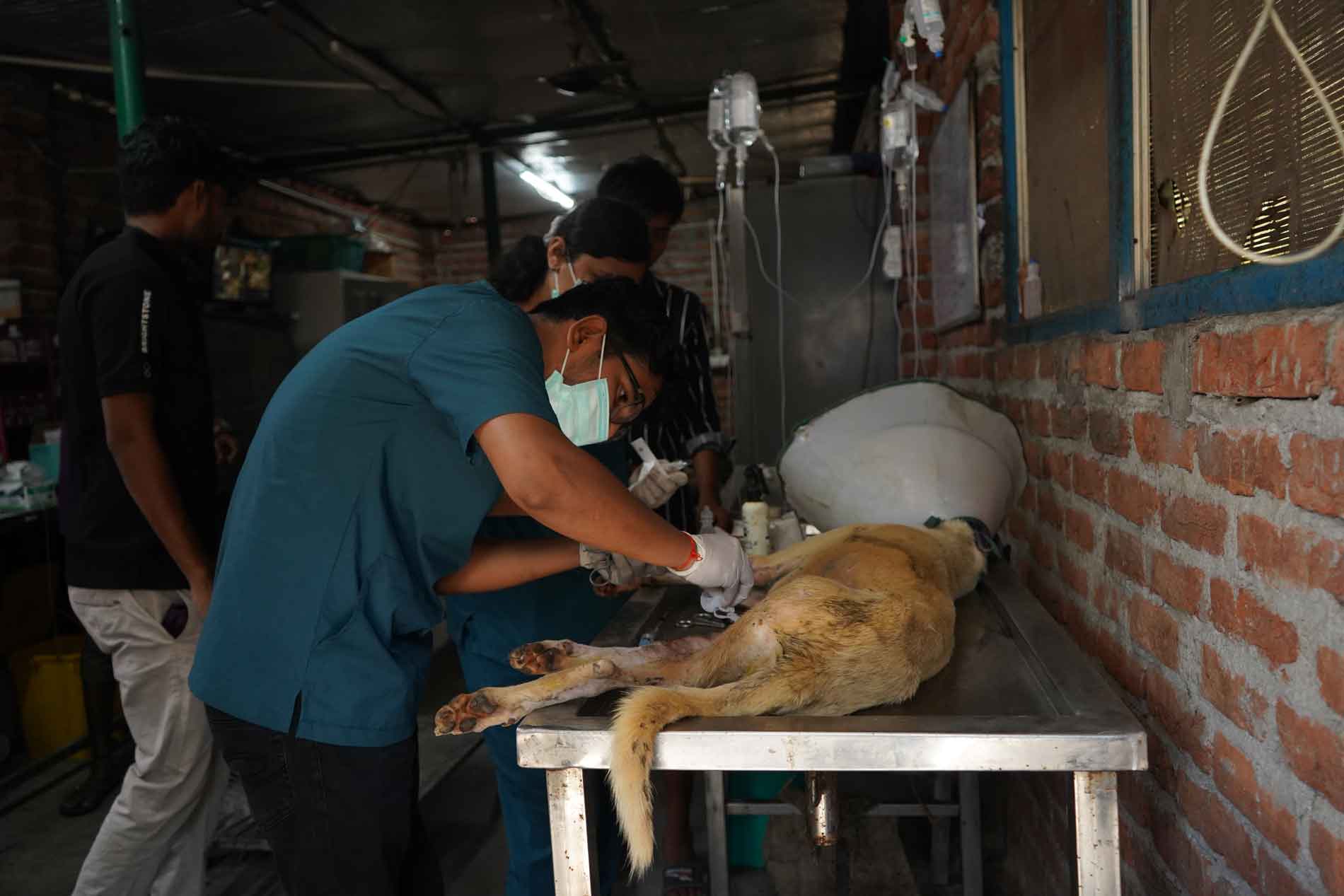
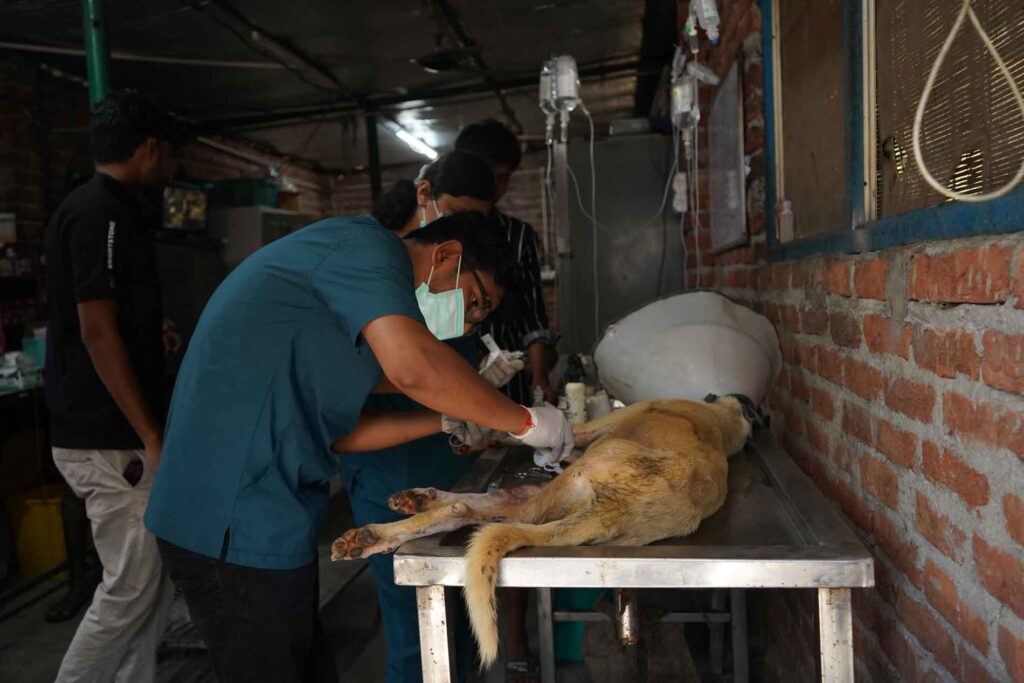
Dog first aid India skills can save a life in seconds. India’s streets present constant hazards for dogs: road accidents, poisoning attempts, aggressive encounters, heatstroke in summer, and exposure to disease. Whether you have a pet dog, feed stray dogs in your neighbourhood, or simply care about animals, knowing basic dog first aid can be the difference between a dog’s life and death.
This comprehensive dog emergency care India guide from Earthlings Trust covers the most common emergencies you might encounter, with step-by-step instructions that you can apply before professional veterinary help is available.
IMPORTANT: First aid is NOT a substitute for veterinary care. Every emergency described here requires professional veterinary attention as soon as possible. First aid is what you do while getting the dog to the vet.
Building a Dog First Aid Kit: India Essentials
- Sterile gauze pads and rolls
- Medical tape and bandage wraps (crepe bandage)
- Antiseptic solution: Betadine (povidone-iodine) or Savlon
- Sterile saline solution for wound irrigation
- Blunt-ended scissors and tweezers
- Digital thermometer (normal dog temperature: 38-39.2°C)
- Disposable gloves
- A muzzle or strip of cloth for muzzling (even gentle dogs bite in pain)
- Torch/flashlight
- Vet’s contact number and nearest emergency clinic address
- Earthlings Trust emergency number: +91 8800469269
Prevention matters just as much as emergency response. Scheduling regular veterinary checkups for stray dogs in your neighbourhood helps catch injuries and illnesses early, before they become emergencies.
Emergency 1: Road Accident / Trauma (Dog Accident First Aid)
One of the most common emergencies in India: dogs hit by vehicles suffer broken bones, internal bleeding, and spinal injuries.
What to Do
- Ensure YOUR safety first: stop traffic before approaching
- Approach the dog slowly and calmly: even familiar dogs may bite in pain
- Muzzle the dog gently with a strip of cloth if they are showing pain aggression
- Do NOT move the dog unless they are in immediate danger: spinal injuries can be worsened by incorrect movement
- If you must move the dog: slide a rigid board (clipboard, piece of plywood) underneath them as a makeshift stretcher: keeping the spine aligned
- Check for visible bleeding: apply direct pressure with a clean cloth or gauze
- Keep the dog warm: cover with a blanket or clothing
- Get to an emergency vet immediately
Even a normally friendly dog may bite when frightened or in pain, so always muzzle safely before handling an injured dog. If you or the dog are bitten during a rescue, clean the wound right away and read our guide on rabies prevention in India for the next steps.
Emergency 2: Heavy Bleeding
What to Do
- Put on gloves if available
- Apply firm, direct pressure on the wound with clean gauze or cloth
- Do NOT remove the cloth if it soaks through: add more on top
- Do NOT use a tourniquet unless the bleeding is from a limb and is life-threatening and uncontrollable
- Keep pressure applied continuously while transporting to the vet
- Do NOT attempt to clean a heavily bleeding wound: control bleeding first
Emergency 3: Heatstroke (Dog Heatstroke First Aid India)
Critical in Indian summers, especially in Delhi NCR. Signs: excessive panting, drooling, glazed eyes, brick-red gums, staggering, collapse, seizure.
What to Do
- Move the dog immediately to a cool, shaded area
- Apply cool (NOT ice cold) water to the dog’s body: especially armpits, groin, and neck
- Fan the dog while applying water
- Offer small sips of cool water only if the dog is conscious and able to swallow
- Do NOT submerge in cold water or use ice: this can cause shock
- Get to a vet immediately: heatstroke causes internal organ damage that requires professional treatment
Emergency 4: Suspected Poisoning (Dog Poisoning First Aid India)
Sadly common in India where poison is sometimes deliberately laid for stray dogs. Signs: sudden collapse, vomiting, trembling, seizures, pale gums, dilated pupils.
What to Do
- Call a vet or animal NGO immediately: describe the symptoms
- Do NOT induce vomiting unless specifically instructed by a vet: some poisons cause more damage on the way back up
- If the dog is unconscious, keep airway clear and get to emergency vet immediately
- If possible, note what substance the dog may have ingested and bring any packaging or samples to the vet
- Keep the dog warm and calm during transport
Common household items like chocolate, xylitol, onions, and rat poison are frequent causes of poisoning in Indian homes. The ASPCA Animal Poison Control database is a useful reference for identifying toxic substances.
Emergency 5: Seizures
Signs: muscle convulsions, paddling limbs, loss of consciousness, jaw clamping, loss of bladder/bowel control.
What to Do
- Do NOT restrain the dog or put your hands near their mouth: they cannot swallow their tongue and you WILL be bitten
- Remove hard or sharp objects from around the dog to prevent injury
- Time the seizure: if it lasts more than 3-5 minutes, rush to emergency vet
- After the seizure stops, the dog will be confused and disoriented (post-ictal phase): speak calmly and keep them safe
- All seizures require veterinary evaluation even if the dog seems fine afterward
Emergency 6: Choking
Signs: pawing at mouth, gagging without producing vomit, blue-tinged gums, panicked breathing.
What to Do
- Open the mouth and look for visible obstruction: only remove if you can clearly see and safely reach it
- Do NOT blindly sweep your fingers in the mouth: this can lodge the object deeper
- For small dogs: carefully hold the dog upside down by the thighs and give 4-5 firm back blows
- For large dogs: stand behind the dog, make a fist just below the ribcage, and give 4-5 firm upward thrusts (Heimlich manoeuvre)
- Get to emergency vet immediately
FAQ: Dog First Aid India
Q: How do I approach an injured stray dog who may bite?
A: Approach slowly, speak in a calm, soft voice, and avoid direct eye contact which can be threatening. Offer a treat if you have one. If the dog is severely injured, use a towel or jacket to gently wrap them before lifting. A makeshift muzzle from a cloth strip protects you if the dog is in significant pain.
Q: What is the normal body temperature of a dog?
A: Normal dog body temperature is 38-39.2°C. Above 39.5°C indicates fever. Above 41°C is a medical emergency. Use a rectal thermometer for accurate readings.
Q: What should I do if I find an injured stray dog but there is no vet nearby?
A: Call Earthlings Trust at +91 8800469269, we can advise on immediate first aid and help coordinate transport to veterinary care in the Noida and Delhi NCR area. You can also reach out to your nearest animal NGO in India for support, or contact a nearby dog shelter if the dog needs temporary housing during recovery.
Conclusion: Knowledge Is the Most Powerful First Aid Tool
Every dog first aid India situation is different, but knowing what to do injured dog India emergencies require can mean the difference between life and death. You cannot carry a vet in your pocket. But you can carry knowledge, and in a dog emergency, knowledge is the most powerful first aid tool there is. Learn these basics. Share this guide. Keep Earthlings Trust’s number saved in your phone. Together, we can ensure that no dog in Noida or Delhi NCR goes without help simply because the person who found them did not know what to do.