Introduction: The Most Underrated Dog Breed in India Is Already Everywhere
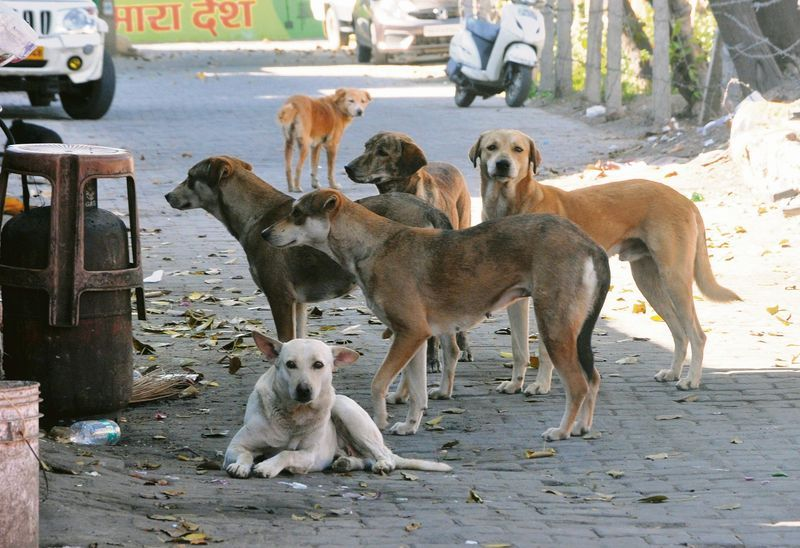
Walk down any street in Noida, Delhi, Mumbai, or Chennai and you will see them – medium-sized, short-coated, almond-eyed, endlessly alert dogs in shades of brown, golden, black, and white. They navigate traffic, communities, and harsh weather with grace and intelligence. These are India’s Indian street dogs – and they are arguably the most intelligent, hardy, and adaptable dogs you will ever meet.
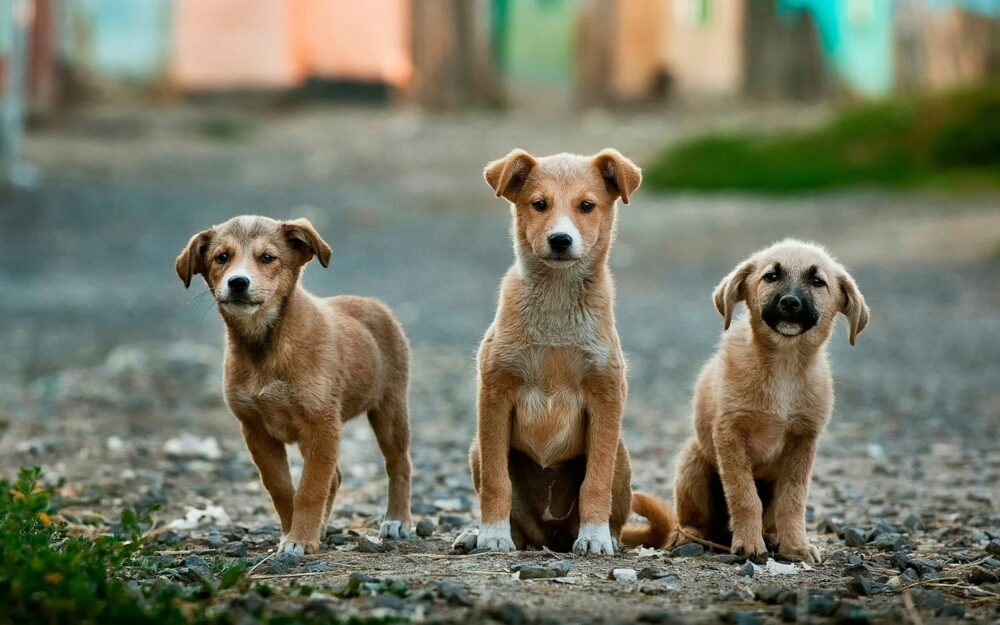
Table of Contents
Yet when Indian families decide to get a pet dog, the Indian street dog is rarely the first choice. Labradors, Golden Retrievers, Pugs, and French Bulldogs dominate the market. Meanwhile, millions of beautiful, healthy Indian street dogs wait in shelters or live on streets, overlooked simply because they lack a breed certificate.
This guide aims to change that. Indian street dogs deserve better, and here is everything you need to know – their history, temperament, health advantages, care requirements, and why adopting one from Earthlings Trust is a decision you will never regret.
What Is an Indie Dog? History and Origin
The Indian Native Dog – known as the INDog, Pye-Dog, Desi Dog, or simply ‘Indie’ – is one of the oldest dog breeds in the world. Genetic studies have placed the INDog’s lineage at approximately 15,000 years ago, descending directly from the first dogs to be domesticated by humans in South Asia.
Unlike most modern breeds that were selectively bred for specific traits over a few centuries, the Indian street dog has been shaped by 15,000 years of natural selection in the Indian subcontinent. This means they are extraordinarily well-adapted to India’s climate, diseases, food sources, and social environment.
The INDog is not a mixed breed. It is a primitive landrace – one of the most genetically ancient dog populations in the world, recognised by canine researchers globally.
Physical Characteristics of the Indian Indie Dog
- Size: Medium – typically 15-30 kg, 50-65 cm height at the shoulder
- Coat: Short, dense, and low-shedding – easy to maintain in India’s climate
- Ears: Typically erect or semi-erect – excellent hearing
- Tail: Curved upward in a sickle shape when happy
- Colours: Brown, golden, black, white, and combinations thereof
- Build: Lean and athletic – built for endurance, not bulk
- Lifespan: 13-16 years – significantly longer than most pedigree breeds
Indie Dog Temperament: What to Expect
Intelligent and Adaptive
Indian street dogs have survived for millennia on Indian streets for millennia by reading their environment with extraordinary accuracy. This makes them highly intelligent, observant, and quick to learn. They understand human facial expressions, tones of voice, and social dynamics remarkably well.
Loyal and Bonded
Once an Indian street dog bonds with you, that bond is deep and lifelong. They are known for their intense loyalty to their primary humans. Many indie dog owners describe their dogs as ‘one-person dogs’ or ‘one-family dogs.’
Independent Thinkers
Unlike retriever breeds bred to constantly seek human direction, indie dogs think for themselves. This is a strength – they problem-solve, adapt, and make decisions – but it means training requires patience and positive reinforcement rather than command-and-compliance methods.
Alert and Protective
Indie dogs are naturally alert and make excellent watchdogs. They will always alert you to strangers or unusual activity – without being unnecessarily aggressive when properly socialised.
Health Advantages of Indie Dogs Over Pedigree Breeds
This is where the Indian street dog wins decisively. Pedigree breeds in India suffer enormously from inbreeding. Indie dogs, shaped by natural selection, are among the healthiest dogs you can own.
- Virtually no hereditary diseases – no hip dysplasia, no progressive retinal atrophy, no brachycephalic issues
- Strong immune systems adapted to Indian pathogens and climate
- Tolerant of India’s extreme heat – no respiratory distress in summer unlike Pugs and Bulldogs
- Not prone to heat stroke the way flat-faced breeds are
- Low cancer rates compared to Golden Retrievers and Boxers
- Lifespan of 13-16 years – 3-5 years longer than most pedigree breeds
- Lower veterinary costs over the dog’s lifetime
Caring for an Indie Dog: Simple Requirements
Diet
Indian street dogs are not fussy eaters and do well on both commercial dog food and balanced home-cooked meals (rice, dal, chicken, vegetables). Avoid processed junk food and bones that can splinter. Two meals a day with fresh water is the standard care routine. Many indie dog owners find that their dogs thrive on a simple home diet adapted to India’s climate.
Exercise
30-45 minutes of walking daily is sufficient for most indie dogs. They are not high-energy breeds like Border Collies but are active and enjoy exploration. Mental stimulation – puzzle toys, training sessions – is equally important.
Grooming
The short, tight coat of an indie dog is incredibly low-maintenance. Weekly brushing, monthly baths, regular nail trims and ear cleaning are all that is needed. No expensive grooming sessions required. This makes Indian street dogs one of the most practical breeds for busy urban families in India who may not have time for intensive grooming schedules.
Training
Indie dogs respond beautifully to positive reinforcement training – treats, praise, and play. They are not suited to harsh or punishment-based methods. Socialisation from a young age is important to ensure they are comfortable with strangers and other animals.
FAQ: Indian Street Dogs and Indie Dogs in India
Q: Are Indian street dogs good family pets?
A: Yes – Indian street dogs make extremely good family pets when properly socialised. They are loyal, intelligent, and deeply bonded to their families. They are generally gentle with children they have grown up with and protective of their home.
Q: Is it safe to adopt an adult stray dog as a pet?
A: Yes. Adult stray dogs adopted from shelters like Earthlings Trust are assessed for health and temperament before adoption. They are vaccinated, sterilised, and dewormed. Many people find adult dogs easier to manage than puppies.
Q: Do indie dogs shed a lot?
A: No. Indie dogs have short, tight coats that shed minimally compared to long-haired or double-coated breeds. They are one of the easiest breeds to manage in India’s hot climate.
Q: How do I adopt an indie dog from Earthlings Trust?
A: Visit earthlingstrust.org and fill out the Adoption Enquiry Form, or visit our shelter in Sector 81, Noida. Adoption is completely free. We match you with a dog that suits your lifestyle and home environment.
Conclusion: Indian Street Dogs – India’s Best Pet Is Already Waiting for You
The Indian street dog is not a compromise. It is a choice – a deeply considered, compassionate, and smart choice. When you adopt an indie dog from a shelter, you gain a loyal companion shaped by millennia of Indian life. You save a life. And you get one of the healthiest, most intelligent, most adaptable dogs on the planet.
Visit Earthlings Trust at earthlingstrust.org or come to our shelter in Sector 81, Noida. Your perfect indie dog is waiting. Your perfect Indian street dog is waiting for you.