
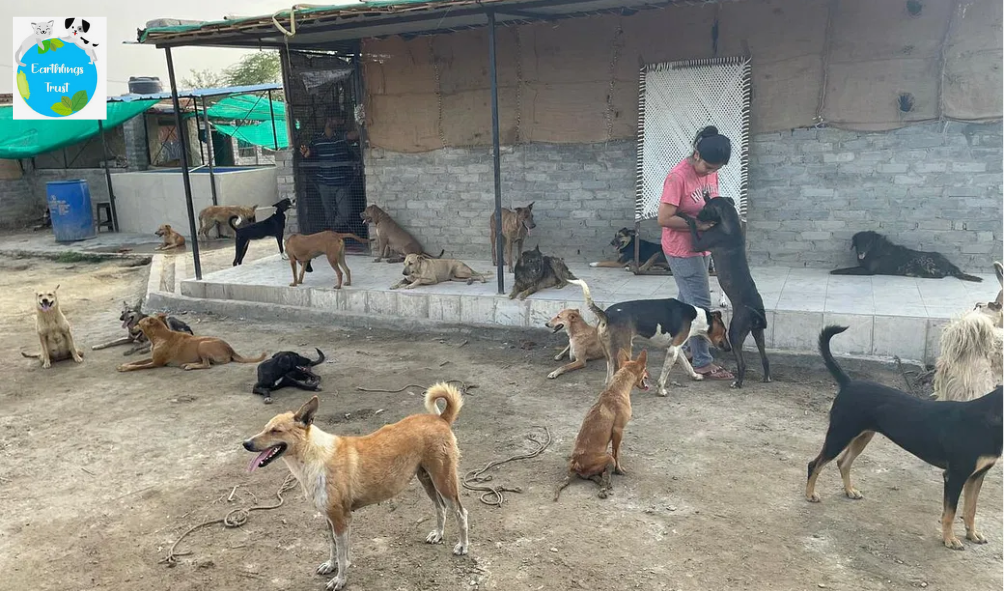
Stray dog rescue in Noida and across Delhi NCR happens every single day – a dog found bleeding on a highway, a puppy abandoned outside a colony gate, an elderly dog hit by a vehicle and left on the roadside. At Earthlings Trust, one of the most active animal NGOs in the region, we have rescued and rehabilitated hundreds of stray dogs. Here is an honest, detailed look at exactly what that process involves.
Why Stray Dog Rescue Noida Need Organised Rescue
India has one of the world’s largest stray dog populations, estimated at over 62 million by the WHO. These animals face daily threats – speeding vehicles, disease, malnutrition, abuse, and harsh weather. Without an organised, professional rescue network, the vast majority of injured or sick strays simply do not survive.
Animal welfare laws in India, including the Prevention of Cruelty to Animals Act, 1960, and the Animal Birth Control (Dogs) Rules, 2023, mandate humane treatment of strays. Yet the gap between law and ground reality is enormous – which is why NGOs like Earthlings Trust play a critical role in Stray Dog Rescue in noida and nearby areas.
Phase 1: The Rescue Call
Every rescue at Earthlings Trust begins with a call or message. Our helpline (+91 8800469269) operates around the clock. When a distress call is received, our team gathers key information: the exact location of the animal, visible injuries or medical condition, level of aggression or fear, and whether the dog can walk or is immobile.
Based on this assessment, we dispatch the right team with the right equipment – stretcher, catch pole, dog crate, or first aid kit. Speed matters enormously in trauma cases, as internal bleeding, shock, or dehydration can be fatal within hours if untreated.
Phase 2: On-Ground Rescue Operation
Rescuing a stray dog is not as simple as picking it up. Injured or frightened dogs can bite or bolt in panic, worsening the situation. Our trained rescue team approaches the dog slowly and calmly, using food to build initial trust. They assess the animal’s physical and emotional state before attempting contact, stabilise the animal using safe, humane techniques, provide immediate first aid on-site if the dog is critically injured, and then transport the dog safely to our shelter or a veterinary facility.
In cases involving severely injured dogs, we coordinate directly with veterinary clinics in Noida for immediate emergency surgery. Knowing when not to delay transport is part of every trained rescuer’s instinct.
Phase 3: Medical Assessment and Treatment
Once at the shelter, every rescued dog undergoes a full medical assessment. This is the phase that saves lives that might otherwise quietly slip away.
Triage and Wound Care: Open wounds are cleaned, disinfected, and bandaged. Fractures are immobilised. Pain management is initiated immediately, because pain left unmanaged leads to stress, which delays healing.
Blood Tests: A complete blood count (CBC), kidney function test, liver function test, and tick fever panel are conducted. Blood tests reveal underlying conditions invisible to the naked eye – including tick-borne diseases like Ehrlichiosis and Babesiosis, which are extremely prevalent in Indian stray dogs. You can support this effort at earthlingstrust.org/sponsor-a-blood-test/
Vaccination: Every dog is vaccinated against rabies, distemper, parvovirus, leptospirosis, and hepatitis as per the recommended dog vaccination schedule in India. Rabies vaccination is not just an animal welfare measure – it is a critical public health intervention, given that India accounts for approximately 36% of the world’s rabies deaths.
Deworming and De-flating: All rescued dogs are dewormed and treated for ticks and fleas. Parasite load in street dogs is often extreme, suppressing immunity and accelerating organ failure in already-weakened animals.
Advanced Therapies: For dogs with chronic pain, neurological issues, or orthopedic injuries, Earthlings Trust offers TENS (Transcutaneous Electrical Nerve Stimulation) therapy and physiotherapy – rare services in Indian animal shelters that make a measurable difference in recovery outcomes.
Phase 4: Nutrition and Recovery
A malnourished dog cannot heal on an empty stomach. Our nutrition programme is carefully designed to support recovery without overwhelming a compromised digestive system.
Newly rescued dogs receive small, frequent meals to avoid refeeding syndrome – a dangerous metabolic condition that occurs when a starving animal is fed too much too soon. Dogs with kidney or liver issues are placed on prescription diets formulated for their condition. Recovering dogs receive high-protein, calorie-dense food to rebuild lost muscle mass, and fresh fruits and vegetables are added for micro nutrients and immunity support.
Nutrition directly impacts recovery speed. With proper food and consistent veterinary care, even severely malnourished dogs can make full recoveries within weeks. Watching a dog go from skeletal and limp to bright-eyed and wagging is one of the most rewarding things our team witnesses.
Phase 5: Sterilisation and Long-Term Health
Every dog that passes through our shelter is sterilised as part of the Animal Birth Control (ABC) programme mandated by the Government of India.
Sterilisation prevents unwanted pregnancies, reduces roaming and aggressive behaviour, and significantly improves long-term health outcomes – including reduced risk of certain cancers and infections. Anti-rabies vaccination is also administered as a mandatory step, protecting both the animal and the wider community it will return to or be adopted into.
Phase 6: Socialisation and Behavioural Rehabilitation
Many rescued stray dogs have never experienced consistent human kindness. They may be fearful, anxious, reactive, or shut down. This is not aggression – it is a survival response. And it requires patience, not punishment.
Our socialisation process involves daily gentle interaction with volunteers and trained staff. We use positive reinforcement training methods – treats, praise, calm body language – grounded in established animal behaviour science. Dogs are given gradual exposure to different environments, sounds, and stimuli to build confidence.
Our TheraPaws sessions are a particular highlight – structured interactions that help dogs relax, rebuild trust with humans, and begin to experience the world as a safe place rather than a threat. This phase is often the longest and most important in the entire rehabilitation journey. A dog that is not adequately socialised cannot be safely adopted into a home – no matter how physically healthy it is.
Phase 7: Adoption, Foster, or Permanent Shelter
Once a dog is healthy, vaccinated, sterilised, and socialised, we begin the rehoming process. Every dog is different, and the path forward is decided based on their individual personality, health status, and the available options.
Adoption matches the dog with a suitable family based on the animal’s personality, energy level, and special needs – and the family’s lifestyle, living situation, and experience with dogs. We do not rush adoptions. A mismatch helps no one.
Foster placement allows a dog to experience home life temporarily while awaiting a permanent family. Fostering is invaluable for dogs who are struggling in a shelter environment.
Permanent shelter residency is provided for dogs with serious disabilities or extreme age who are unlikely to be adopted. These dogs deserve dignity and comfort for the rest of their lives – and at Earthlings Trust, they get it.
Every adoption includes post-adoption follow-up from our team to ensure the dog is adjusting well, and that the family has the support and resources they need to make it work.
The Role You Play
None of this is possible without community support. Every rescue operation, every blood test, every bag of prescription food, every physiotherapy session is funded by people who care – individuals like you, corporate CSR programmes, and dedicated volunteers.
If you live in Noida, Delhi, or anywhere in the NCR and you spot an injured or distressed stray, you have the power to start this entire chain of care with a single call or message. You don’t need to be a vet, or an animal expert, or even particularly confident around dogs. You just need to reach out.
FAQ: Stray Dog Rescue Process in India
Q: How long does a stray dog’s recovery take after rescue?
Recovery time varies from a few days for minor injuries to several months for severe trauma, malnourishment, or deep psychological distress. Some special needs dogs require lifelong care.
Q: Can I report a stray dog emergency to Earthlings Trust?
Yes. Call +91 8800469269 or email earthlingstrust@gmail.com to report an injured or distressed stray dog in Noida, Greater Noida, or Delhi NCR.
Q: How is Earthlings Trust funded?
Earthlings Trust is funded entirely through individual donations, corporate CSR partnerships, and campaign contributions. We do not receive government funding for day-to-day operations.
Q: What should I do if I find an injured stray dog?
Stay calm. Do not try to pick up a seriously injured dog without guidance. Call Earthlings Trust immediately, and keep the dog calm and warm until help arrives.
Conclusion: Your Call Can Save a Life
The moment someone picks up the phone and calls an animal NGO is the moment a stray dog’s life can genuinely change forever. At Earthlings Trust, we are committed to providing every rescued dog with world-class care, compassion, and a real chance at a better life.
If you want to be part of this journey – whether by reporting a rescue, donating, volunteering, adopting, or fostering – we are just a call away.
Never Miss News