
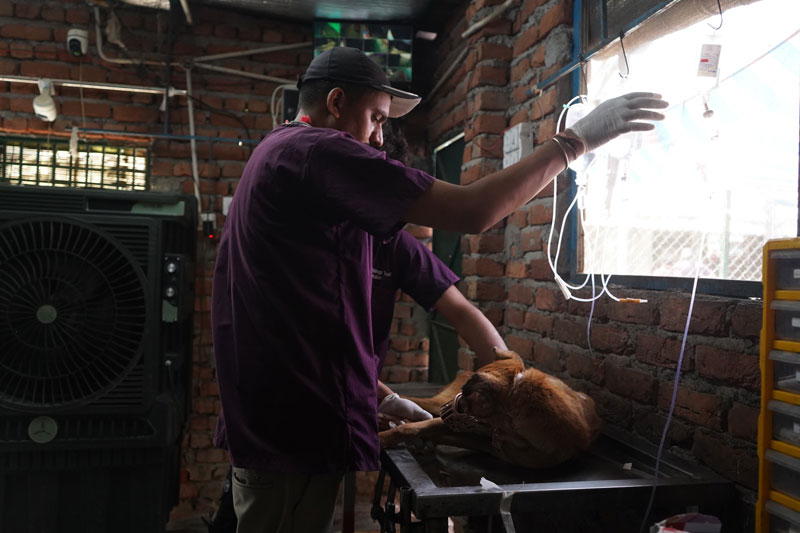
Coping with Pet Loss India: A Grief That Is Often Dismissed, but Deeply Real
Coping with pet loss India looks different for every grieving owner, feeder, or rescuer, whether you raised a pet from puppyhood, welcomed a rescued companion, or fed a community dog every day for years. If you have ever lost a dog, you already know that the grief is real, profound, and often surprising in its intensity. And yet, in India as in much of the world, pet loss is frequently met with well-meaning but dismissive responses: “It was just a dog,” “You can get another one,” “At least it’s not a person.”
Table of Contents
This response – known to grief researchers as disenfranchised grief, where a real loss is not socially validated – can make an already painful experience feel isolating. This guide from Earthlings Trust, an animal NGO in India, is written to validate that grief and offer practical, compassionate guidance for moving through it.
Why Losing a Dog Hurts So Much
The human-dog bond is built on daily, physical, unconditional companionship – a relationship unlike almost any other in a person’s life. Dogs greet us with the same joy every single day, ask for nothing but our presence, and often become witnesses to some of the most significant chapters of our lives. Neuroscience research on the human-dog bond shows that interacting with a dog triggers the same oxytocin-based attachment response involved in human relationships – which is precisely why losing that bond activates genuine, deep grief, not a lesser or “smaller” version of it.
For feeders and rescuers, the grief can be compounded by additional layers – the loss of a community dog cared for over years, guilt over what more could have been done, or the emotional toll of having witnessed the animal’s suffering before death, particularly in rescue and street dog contexts where illness, accidents, or cruelty are often involved. Finding pet loss grief support India communities that understand this layered grief can make a meaningful difference.
Grief is not proportional to the “size” of the relationship in anyone else’s eyes – it is proportional to the depth of the bond that existed. A years-long bond with a community dog is not a lesser loss than losing a pet who lived indoors. The grief after dog dies is proportional to the bond, not to anyone else’s opinion of it.
Understanding the Stages of Pet Loss Grief
Grief researchers commonly describe stages – denial, anger, bargaining, depression, and acceptance, a framework also outlined in the American Veterinary Medical Association’s guidance on coping with pet loss – though it is important to understand these are not a fixed, linear sequence. Most people move back and forth between stages, sometimes revisiting earlier ones months after they believed they had “moved on.” There is no correct timeline, and comparing your grief journey to someone else’s – or to your own experience with a previous loss – often adds unnecessary pressure to an already painful process. Coping with pet loss India rarely follows a neat, predictable timeline.
Healthy Ways to Process Pet Loss
Acknowledge the Loss Openly
Naming what you are feeling – to yourself, and to trusted people – is more helpful than minimising it to avoid seeming “dramatic.” Journaling about specific memories, writing a letter to your dog, or simply talking through the loss with someone who understands can help process emotions that otherwise remain stuck. Learning how to cope with death of a pet often starts with exactly this kind of honest acknowledgement.
Allow Yourself the Full Range of Emotions
Grief after pet loss can include sadness, guilt (especially around medical decisions or “what ifs”), anger, and even relief if the death followed prolonged suffering – all of which are normal and do not need to be judged or suppressed. This is especially true when losing a rescue dog after witnessing prior suffering or neglect.
Create a Way to Honour Their Memory
- Plant a tree or a small garden corner in the dog’s memory
- Create a photo album or a simple written account of your favourite memories together
- Make a donation in the dog’s name to an animal welfare cause – many people find that channeling grief into helping other animals brings meaning to the loss
- For community dog feeders, continuing to care for the dog’s former “territory” or the dogs who were part of the same group can be a powerful, ongoing tribute
Talk to People Who Understand
Grief over a pet is best supported by people who have experienced a similar bond – other pet owners, fellow feeders, or online and in-person pet loss support communities such as the ASPCA’s pet loss support resources – rather than people who, however well-meaning, cannot relate to the depth of the loss. Seeking pet loss grief support India communities, whether local or online, can make this part of healing far less lonely.
Helping Children Cope with the Death of a Pet
Losing a pet is often a child’s first direct experience with death, and how it is handled shapes their broader understanding of loss and grief for years to come. Coping with pet loss India as a family often means guiding children through this experience with the same honesty adults need.
- Use clear, honest language – avoid euphemisms like “went to sleep,” which can create confusion or fear around actual sleep
- Validate their feelings directly – avoid rushing to “fix” the sadness or replace the pet too quickly, which can inadvertently teach a child that grief should be avoided rather than processed
- Involve them in a memorial activity – drawing a picture, planting something, or writing a goodbye note gives children an active, healthy outlet for their grief
- Expect grief to resurface – children often process loss in shorter bursts spread over a longer period, rather than one continuous period of mourning
When Grief Becomes Something More: Recognising When to Seek Support
While grief is a normal, healthy response to loss, it is worth speaking to a mental health professional if you notice persistent inability to function in daily life for an extended period, complete withdrawal from other relationships and responsibilities, or grief that feels inseparable from broader depressive symptoms. Animal-assisted support programmes, such as Earthlings Trust’s TheraPaws initiative, can also offer a gentle, non-clinical way to process grief through structured interaction with other rescued dogs. Understanding how to cope with death of a pet in a healthy way includes knowing when extra support is needed.
Deciding Whether and When to Welcome Another Dog
There is no universally “right” amount of time to wait before adopting again – some people find comfort in welcoming a new dog relatively soon, channeling grief into giving another animal a home; others need significantly more time before they feel ready. If you do welcome an older rescued dog, our senior dog care guide can help you prepare for their needs. What matters is that the decision comes from genuine readiness, not pressure from others or an attempt to avoid feeling the loss – and that a new dog is never seen as a “replacement” for the one who came before, but as a new relationship in its own right.
FAQ: Coping with Pet Loss India
Q: Is it normal to grieve a community dog I never technically owned as intensely as a pet?
A: Yes, completely normal. The depth of grief is tied to the depth of the relationship and daily care involved – years of feeding, watching over, and bonding with a community dog create a genuine attachment that deserves to be grieved fully. Losing a rescue dog or a community dog you fed for years is never a smaller loss.
Q: How do I deal with guilt about a medical decision, like euthanasia, for my dog?
A: Guilt after a difficult medical decision is extremely common, even when the decision was made with compassion and correct veterinary guidance. Speaking with your veterinarian about the reasoning behind the decision, and allowing yourself compassion rather than judgment, often helps process this specific form of grief.
Q: My friends and family don’t understand why I’m still upset weeks after my dog died. What should I do?
A: Seek out people or communities who understand pet loss specifically – other pet owners or dedicated pet loss support groups – rather than continuing to seek validation from people who, however caring, may not grasp the depth of the human-animal bond.
Q: Does Earthlings Trust offer any support for people grieving a pet or rescue dog?
A: While we are not a clinical counselling service, our team understands this grief deeply through our own rescue work, and our TheraPaws programme can offer a gentle, animal-assisted space for processing loss. Reach out to us at earthlingstrust@gmail.com.
Conclusion: Love That Deep Deserves Grief That Honest
The grief after dog dies is not an overreaction – it is the natural cost of a bond built on genuine, daily love. Allow yourself to feel it fully, honour the memory in whatever way feels meaningful to you, and know that this grief, however isolating it can feel, is deeply understood by everyone at Earthlings Trust who has walked alongside a rescued dog until their final day.
If you are grieving and would like to talk to people who understand, reach out to our community at earthlingstrust@gmail.com.
If you are experiencing significant distress or overwhelming grief, please consider speaking with a mental health professional. This article offers general support and is not a substitute for professional counselling.