
Blood tests for dogs let your vet see what is happening inside your dog’s body long before symptoms show up. A small sample can reveal infections, anemia, organ problems and hormone imbalances while they are still easy to treat.
Many people think only sick dogs need blood work. That is a myth. Dogs instinctively hide pain, so a dog that looks perfectly fine can still be fighting a silent illness. Regular blood tests for dogs replace guesswork with facts.
In this guide, the Earthlings Trust team explains the 5 essential types of blood tests for dogs, how the test is done, how to prepare your dog, and why routine screening matters so much for stray and shelter dogs in India.
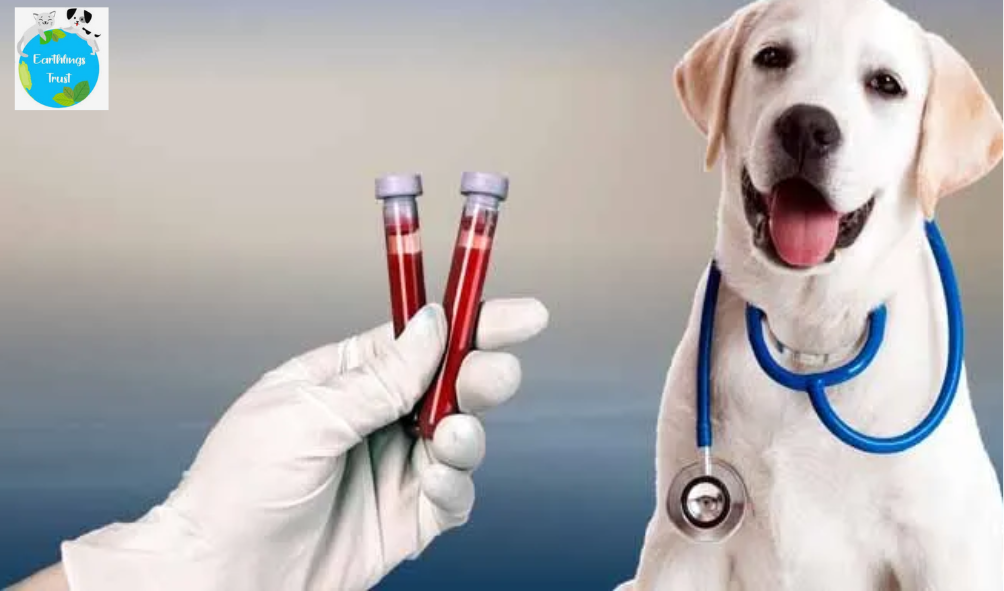
Table of Contents
Why Blood Tests for Dogs Matter
Blood carries clues about almost every organ in the body. A lab can measure blood cells, enzymes, proteins, sugar and minerals, none of which a simple outer examination can show. Here is what blood tests for dogs help your vet do:
- Spot infection, anemia and inflammation early
- Check how the kidneys, liver and pancreas are working
- Judge whether a dog is safe for surgery and anesthesia
- Monitor chronic conditions and the effect of medicines
- Create a healthy baseline to compare against in future years
The American Animal Hospital Association also describes yearly bloodwork as one of the smartest ways to track a dog’s health, even when nothing looks wrong.
How Often Do Dogs Need Blood Tests?
There is no single schedule, but most vets follow a pattern like this:
- Healthy adult dogs: once a year, usually along with the annual checkup and vaccinations
- Senior dogs: every six months, because age-related organ problems develop quietly
- Dogs on long-term medication: as often as your vet advises
- Dogs heading for surgery: a pre-surgical panel before anesthesia
- Sick dogs: right away if there is fever, vomiting, diarrhea, pale gums, weakness or loss of appetite
- Stray and rescued dogs: on arrival and at regular intervals, since their medical history is unknown
5 Essential Types of Blood Tests for Dogs
Your vet picks the right panel based on your dog’s age, breed, symptoms and history. These are the five most common blood tests for dogs.
1. Complete Blood Count (CBC)
A CBC counts red blood cells, white blood cells and platelets. It helps detect anemia, infection, inflammation and clotting problems, and can point towards serious disorders such as leukemia.
Vets usually order a CBC when a dog has fever, vomiting, pale gums, severe weakness or a poor appetite. It is also done before surgery to check platelet levels.
2. Blood Chemistry Panel
This test shows how the organs are working. It gives information about the kidneys, liver and pancreas, along with blood sugar and electrolyte levels.
A chemistry panel is useful for general health checks, senior dog screening and monitoring medication. It also helps diagnose chronic conditions such as diabetes, Addison’s disease and kidney disease, and can help find the cause of vomiting or loose motions, including toxin exposure.
3. Thyroid Function Test
This test measures thyroid hormones to see whether the thyroid gland is working properly. An underactive thyroid (hypothyroidism) is the more common problem in dogs, while an overactive thyroid is far less common.
Weight gain, a dull coat, sudden skin changes and sluggish behaviour can all point to a thyroid problem. The good news is that, once diagnosed, thyroid disease can usually be managed with medication.
4. Electrolyte Panel
Electrolytes such as sodium, potassium, chloride and calcium keep nerves, muscles and the heart working normally. An electrolyte panel is especially important after prolonged vomiting, diarrhea, dehydration or heatstroke, and when a vet suspects Addison’s disease.
5. Tick Fever and Heartworm Tests
Ticks are a major threat to dogs in India. Rapid blood tests can check for tick-borne infections such as ehrlichiosis and babesiosis, as well as heartworm. Early detection matters because these infections can quietly damage blood cells and organs.
How Blood Tests for Dogs Are Done
The process is quick and low-risk. Here is what usually happens:
- The vet cleans a small area over a vein, usually on a leg.
- A sterile needle collects about 2 to 4 ml of blood, enough for a full panel.
- An assistant or nurse holds your dog gently and offers comfort.
- The sample goes to an in-house analyser or an external lab.
Most dogs are not sedated. Some clinics give results the same day, while lab-based reports may take a day or two.
How to Prepare Your Dog for Blood Tests
- Ask about fasting. Vets often ask for 8 to 12 hours without food before a chemistry panel, because a recent meal can affect results. Fresh water is usually fine.
- Keep your dog calm. A short walk and a relaxed, confident tone help a lot.
- Share the history. Tell the vet about any medicines, supplements or recent symptoms.
- Carry a favourite treat as a reward afterwards.
At animal shelters, care workers manage fasting, keep dogs calm and make sure the process is quick and stress-free, so no dog becomes agitated or scared.
Understanding Your Dog’s Blood Test Report
After the sample is analysed, the medical team prepares a report, and your vet explains it alongside the physical exam and your dog’s history. A single abnormal value does not always mean disease, and reference ranges differ between labs, so avoid diagnosing your dog from the numbers alone.
The next step is usually a treatment plan, a diet or lifestyle change, or a repeat test after a few weeks. For example, if kidney or liver values are high, your vet may recommend further tests and a special diet.
Blood Tests for Stray and Shelter Dogs
Stray dogs rarely come with a medical history, and many look healthy while carrying an infection or organ problem. That is why routine checkups and blood tests for dogs are vital in shelters.
At Earthlings Trust, canine blood tests are a core part of our mission to rescue and shelter homeless animals. Periodic CBC tests help us assess the overall health of the dogs in our care, find serious conditions early and start the right treatment sooner. Without them, there is no way to know that a dog with no outward symptoms is seriously ill.
Medical care is one of the biggest costs of running a shelter. See where your money goes in our guide to the cost of running an animal shelter in India.
Vaccinations: The Other Half of Preventive Care
Alongside annual blood tests for dogs, vaccinations are equally important. The anti-rabies vaccine and the 7-in-1 vaccine protect against deadly diseases such as rabies, hepatitis and parvovirus. Your vet will suggest a vaccination and booster schedule based on your dog’s age.

Animal shelters like Earthlings Trust, along with government bodies, often run vaccination campaigns and free health camps for stray dogs. For emergencies at home, read our dog first aid guide for India.
FAQs About Blood Tests for Dogs
Do blood tests hurt dogs?
Only briefly. The needle prick feels like a quick pinch, much as it does for people, and most dogs settle down straight away.
Does a healthy dog need blood tests?
Yes. Yearly blood tests for dogs catch silent problems early, even when your dog eats well and plays normally.
How long do blood test results take?
In-house analysers can give results within hours. Samples sent to an external lab usually take a day or two.
How much do blood tests for dogs cost in India?
Costs vary by city, clinic and panel. A basic CBC costs far less than a full chemistry and thyroid panel, so ask your vet for an estimate before the test.
Help Us Keep Rescued Dogs Healthy
Every blood test, vaccine and treatment at our shelter is made possible by donors and volunteers. You can sponsor a meal or virtually adopt a dog to support their medical care.
Healthy dogs start with early detection. Regular blood tests for dogs, timely vaccination and loving care give every dog, owned or stray, a longer and happier life. Always consult your veterinarian before making any health decision for your pet.