
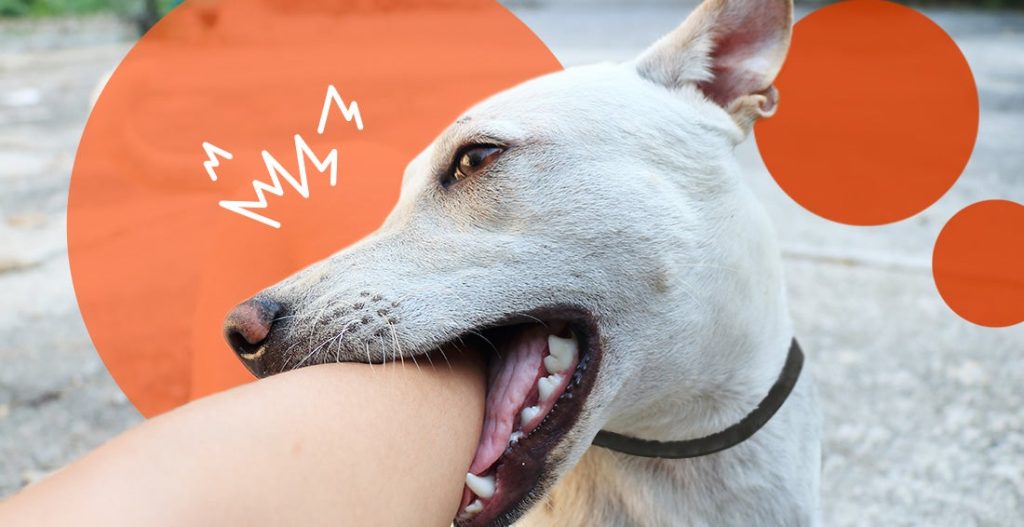
Introduction: The First 15 Minutes Matter More Than Anything Else
India accounts for a significant share of the world’s dog bite incidents, and while the vast majority of bites do not lead to rabies, the disease is close to 100% fatal once symptoms appear, and it is entirely preventable with prompt, correct treatment. This makes the first response to any dog bite one of the most important pieces of practical knowledge any Indian household, feeder, or dog owner can have.
This dog bite first aid India guide from Earthlings Trust walks through exactly what to do, and what not to do, from the moment of the bite.
Table of Contents
Step 1: Wash the Wound Immediately: This Step Saves Lives
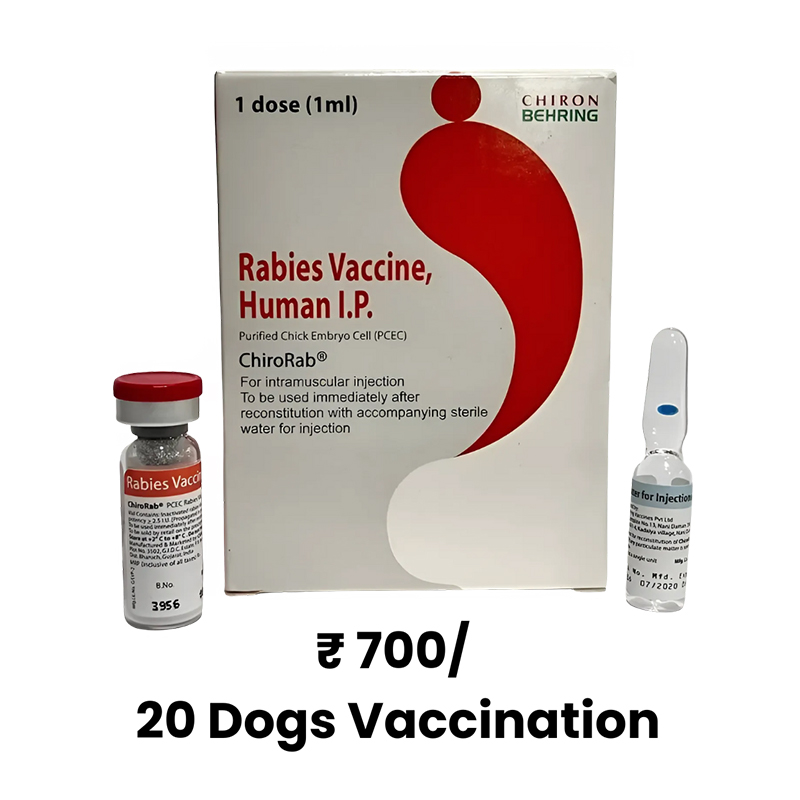
The World Health Organization identifies immediate, thorough wound washing as one of the most effective interventions against rabies transmission, capable of dramatically reducing viral load at the wound site.
- Wash the bite wound under running water with soap for a full 15 minutes, which is longer than most people instinctively do, but the duration matters
- Use an antiseptic such as povidone-iodine (Betadine) or diluted chlorhexidine after washing (see our full dog first aid India emergency care guide for more detail)
- Do not scrub aggressively, apply chilli powder, turmeric, or any home remedy directly into the wound, since these folk practices can trap bacteria and delay proper treatment
- Do not bandage the wound tightly or suture it immediately in most cases; open wound management is often preferred initially to allow drainage and prevent trapping infection, though a doctor will guide this based on wound severity
Step 2: Get to a Hospital or Anti-Rabies Clinic Without Delay
After washing the wound, go to the nearest hospital, primary health centre, or dedicated anti-rabies clinic immediately. Do not wait to “see how it looks” or whether the dog seems healthy. Correct dog bite first aid India protocol treats every bite as urgent. Rabies has an incubation period that can range from one week to over a year, meaning a seemingly fine dog today provides no guarantee, and by the time symptoms would appear in a human, treatment is no longer effective.
Understanding Dog Bite Category WHO Classifications: Why Assessment Matters
Medical professionals assess dog bites using WHO’s exposure categories, which determine the treatment protocol:
- Category I: Touching or feeding an animal, licks on intact skin: no treatment needed beyond washing
- Category II: Minor scratches or abrasions without bleeding, licks on broken skin: requires wound care and a course of anti-rabies vaccine
- Category III: Single or multiple bites or scratches that break the skin and bleed, licks on mucous membranes, or contact with bats: requires wound care, a full course of anti-rabies vaccine, and rabies immunoglobulin (RIG) administered around the wound
A qualified doctor makes this categorisation; this is not something to self-diagnose, since the treatment protocol differs significantly between categories.
Dog Bite Injection Schedule India: The Anti-Rabies Vaccine Timeline
Modern post-exposure prophylaxis (PEP) in India typically follows either an intramuscular or intradermal schedule, administered by a doctor over multiple visits (commonly on days 0, 3, 7, and 28). Intradermal administration, recommended by the WHO, uses smaller vaccine doses distributed across multiple injection sites, reducing cost without compromising protection. Completing the full course is a core part of dog bite first aid India protocol and is essential; stopping early because symptoms have not appeared is a serious and sometimes fatal mistake, since the vaccine works by building immunity before the virus can reach the nervous system, not by treating existing infection.
Rabies vaccines and immunoglobulin are available free of cost at most government hospitals in India under the National Rabies Control Programme. Cost should never be a reason to skip or delay post-exposure treatment.
What About the Dog That Bit You?
If the dog is a known pet with an up-to-date vaccination record, your doctor may adjust the treatment protocol based on a 10-day observation period of the dog (if it remains healthy throughout, this can sometimes reduce the need for the full vaccine course, but this decision must be made by a medical professional, never by the bite victim alone). For bites from unknown or unvaccinated stray dogs, treatment typically proceeds on the assumption of possible exposure, since observation is not reliably possible.
If you are bitten by a community dog you recognise, report the incident to your local animal NGO. Earthlings Trust can help ensure the dog is checked, and if necessary, included in vaccination and monitoring efforts, protecting both the dog and future potential bite victims.
Where to Get Dog Bite Treatment: Finding a Hospital in India
Every government hospital, primary health centre, and district hospital in India is required to stock anti-rabies vaccine under the National Rabies Control Programme, and most major cities also run dedicated anti-rabies clinics. Good dog bite first aid India practice means not wasting time searching online. If you are unsure where to go, the fastest options are the emergency ward of the nearest government hospital, a municipal dispensary, or a state health helpline, all of which can point you to a dog bite hospital India network location within minutes. Private hospitals and clinics also treat bites and stock vaccine and immunoglobulin, though they typically charge for these, while government facilities provide post-exposure treatment free of cost.
When you reach the hospital, be ready to tell the doctor when and where the bite happened, whether the dog was a pet or a stray, and whether it bled or only scratched the skin. This helps the doctor assign the correct WHO category and decide whether immunoglobulin is required in addition to the vaccine course.
Stray Dog Bite: What to Do When You Don’t Know the Animal
A stray dog bite what to do dilemma is extremely common across Indian cities, since community dogs cannot be reliably observed the way a pet can. Because a 10-day observation period is not possible with an unfamiliar animal, doctors generally recommend proceeding with the full post-exposure course based on the wound category alone, rather than waiting to see whether the dog develops symptoms.
- Note the exact location, date, and time of the bite so the area can be flagged for monitoring
- Do not attempt to catch, corner, or harm the dog; this can provoke further bites and is not necessary for your treatment
- Inform a local animal NGO or your resident welfare association so the dog can be checked and, if needed, vaccinated. It also helps to know your rights and responsibilities under current stray dog laws in India
- Proceed directly to a hospital for wound washing and assessment, following the same dog bite first aid India steps, rather than waiting on the dog’s behaviour
Dog Bite Wound Care: Other Considerations Beyond Rabies
- Tetanus: As part of complete dog bite first aid India care, deep puncture wounds from any bite carry tetanus risk; your doctor will assess whether a tetanus booster is needed based on your vaccination history
- Bacterial infection: Dog mouths carry bacteria that can cause significant wound infections; a course of antibiotics may be prescribed, particularly for deep or crush-type bite wounds
- Watch for signs of infection over the following days: increasing redness, swelling, warmth, pus, or fever, and seek follow-up care if these appear
Preventing Dog Bites in the First Place
For a deeper look at vaccination drives and community safety measures, see our full guide to rabies prevention in India. Practising these dog bite first aid India basics alongside prevention habits keeps both people and community dogs safer.
- Never approach an unfamiliar dog while it is eating, sleeping, or with puppies
- Avoid direct eye contact and sudden movements around nervous or unfamiliar dogs
- Teach children never to run from, tease, or corner a dog
- Approach community dogs you feed regularly with a calm, predictable routine
- If an unfamiliar dog approaches aggressively, stand still, avoid eye contact, and back away slowly rather than running
FAQ: Dog Bites and Rabies in India
These are the questions people most often ask about what to do after a dog bite in India, and about ongoing dog bite rabies risk in India.
Q: Do I need the rabies vaccine if the dog that bit me is fully vaccinated?
A: Even for a bite from a vaccinated pet dog, wound washing and medical evaluation are still necessary. Your doctor will assess the bite category and the dog’s vaccination and observation status to determine whether the full PEP course is required.
Q: Is rabies treatment painful or requires many injections in the stomach, like older schedules?
A: No, modern anti-rabies vaccines are given as small injections in the arm or thigh, not painful abdominal injections. That older protocol has been discontinued for decades in favour of modern, well-tolerated vaccines.
Q: What if I was only scratched, not bitten, by a stray dog?
A: Under dog bite first aid India guidance, scratches that break the skin are still classified as an exposure requiring assessment and likely vaccination under WHO Category II or III guidelines. Do not assume a scratch is automatically safe.
Q: Where can I get free rabies post-exposure treatment in Noida or Delhi NCR?
A: Government hospitals across Delhi NCR provide anti-rabies vaccine and immunoglobulin free of cost under the National Rabies Control Programme. Earthlings Trust can help direct you to the nearest facility. Call +91 8800469269.
Conclusion: Fast, Correct Action Prevents a Preventable Death
Following the right dog bite first aid India steps means a dog bite does not have to become a rabies tragedy. Immediate, thorough wound washing followed by prompt medical evaluation and a completed vaccine course is close to 100% effective at preventing rabies, even after exposure. Knowledge, not panic, is what saves lives in these moments.
Earthlings Trust works to reduce dog bite risk in Noida and Delhi NCR through sterilisation, vaccination, and community education. If you need guidance after a bite incident involving a community dog, contact us at earthlingstrust@gmail.com.
Medical disclaimer: This article is for general awareness only and does not replace professional medical advice. Always consult a qualified doctor immediately after any animal bite.