
Introduction: How Women in Animal Welfare India Built and Still Lead This Movement
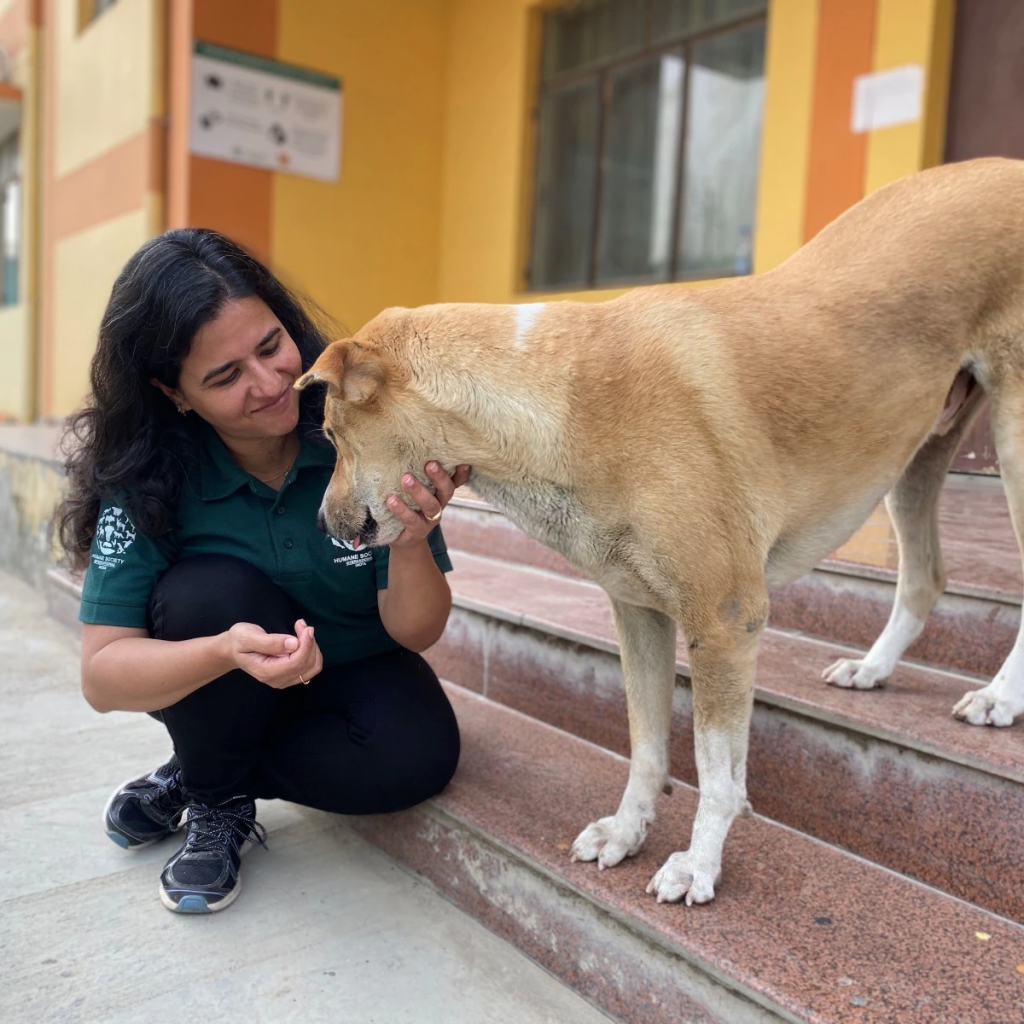
Women in animal welfare India have been the backbone of this movement since long before it had a formal name. Walk through any Indian neighbourhood at dawn or dusk and you will likely see her: a woman with a bag of rice or biscuits, walking a familiar route, calling out to community dogs by name, checking on the ones who look unwell.
She may not run a registered NGO. She may never appear in a news article. Yet she represents the quiet, consistent leadership that has shaped, sustained, and largely driven India’s animal welfare movement since its formal beginnings.
This piece from Earthlings Trust is a tribute to that leadership, both historical and present, and an exploration of why women have so consistently driven this cause forward.
The Founding Legacy: Rukmini Devi Arundale
India’s institutional animal welfare movement traces directly back to a woman: Rukmini Devi Arundale, a celebrated dancer, theosophist, and humanitarian who was instrumental in establishing the Animal Welfare Board of India in 1962 and served as its first chairperson.
Her advocacy helped embed animal welfare into India’s early independent legal and institutional framework, laying the groundwork for the Prevention of Cruelty to Animals Act, 1960, and the decades of animal welfare infrastructure that followed. You can read more about the Board’s mandate on the official Animal Welfare Board of India website.
Her legacy reflects a pattern that has held true across the decades since. Some of India’s most consequential animal welfare institutions have been founded, led, or driven forward by women who saw a form of suffering that others overlooked and refused to look away.
Contemporary Women Leaders Carrying the Legacy Forward
Rukmini Devi Arundale’s founding role was never an isolated moment. Maneka Gandhi, a long-serving Indian politician and animal rights advocate, founded People for Animals, one of India’s largest animal welfare organisations, and has spent decades pushing for stronger anti-cruelty enforcement.
Actress and animal welfare advocate Amala Akkineni co-founded Blue Cross of Hyderabad, which has grown into one of South India’s most established shelter and sterilisation networks. Norma Alvares, a Goa-based lawyer and activist, founded People for Animals Goa and has long been a prominent voice for stray animal welfare on the western coast.
Each of these women, in her own city and context, extended the same pattern Rukmini Devi Arundale established at the national level: women in animal welfare India building lasting institutions rather than temporary relief efforts.
Why Women Disproportionately Lead Grassroots Animal Rescue in India
Multiple, overlapping factors help explain why women in animal welfare India remain so central to grassroots rescue work, though no single explanation captures the full picture.
- Community caregiving roles: many women in animal welfare India have historically occupied caregiving roles that naturally extend to community animals, particularly in neighbourhoods where daily feeding routines intersect with women’s daily movement patterns.
- Empathy-driven activism: research on prosocial and caregiving behaviour consistently shows women reporting higher rates of empathetic concern for vulnerable beings, a pattern reflected across caregiving-oriented volunteer work more broadly, not only animal welfare.
- Grassroots organisational skill: many women-led animal welfare initiatives began as informal, personal feeding routines that gradually formalised into structured rescue networks and, eventually, registered NGOs, reflecting the same organisational skill many women have long applied to running households and communities.
- A movement built on relationships, not hierarchy: animal rescue work often depends on sustained, personal relationships with specific community dogs and their territories, a form of long-term relational commitment that many women’s community networks are particularly well positioned to sustain.
The Unseen Labour: Feeders, Fosters, and First Responders
Beyond formally registered NGO leadership, the vast and largely invisible infrastructure of India’s animal welfare ecosystem is overwhelmingly composed of women. Individual feeders who maintain consistent routes, informal fosters who take in litters of puppies and kittens, and the first people to call an NGO when they spot an injured animal often work entirely without formal recognition, funding, or institutional support.
For every registered NGO doing visible, structured rescue work, there are countless individual women quietly running informal feeding routes, fostering litters in their own homes, and coordinating emergency rescues through personal networks. This is the true, often uncredited infrastructure that keeps women in animal welfare India functioning day to day.
Women in Veterinary and Shelter Leadership Today
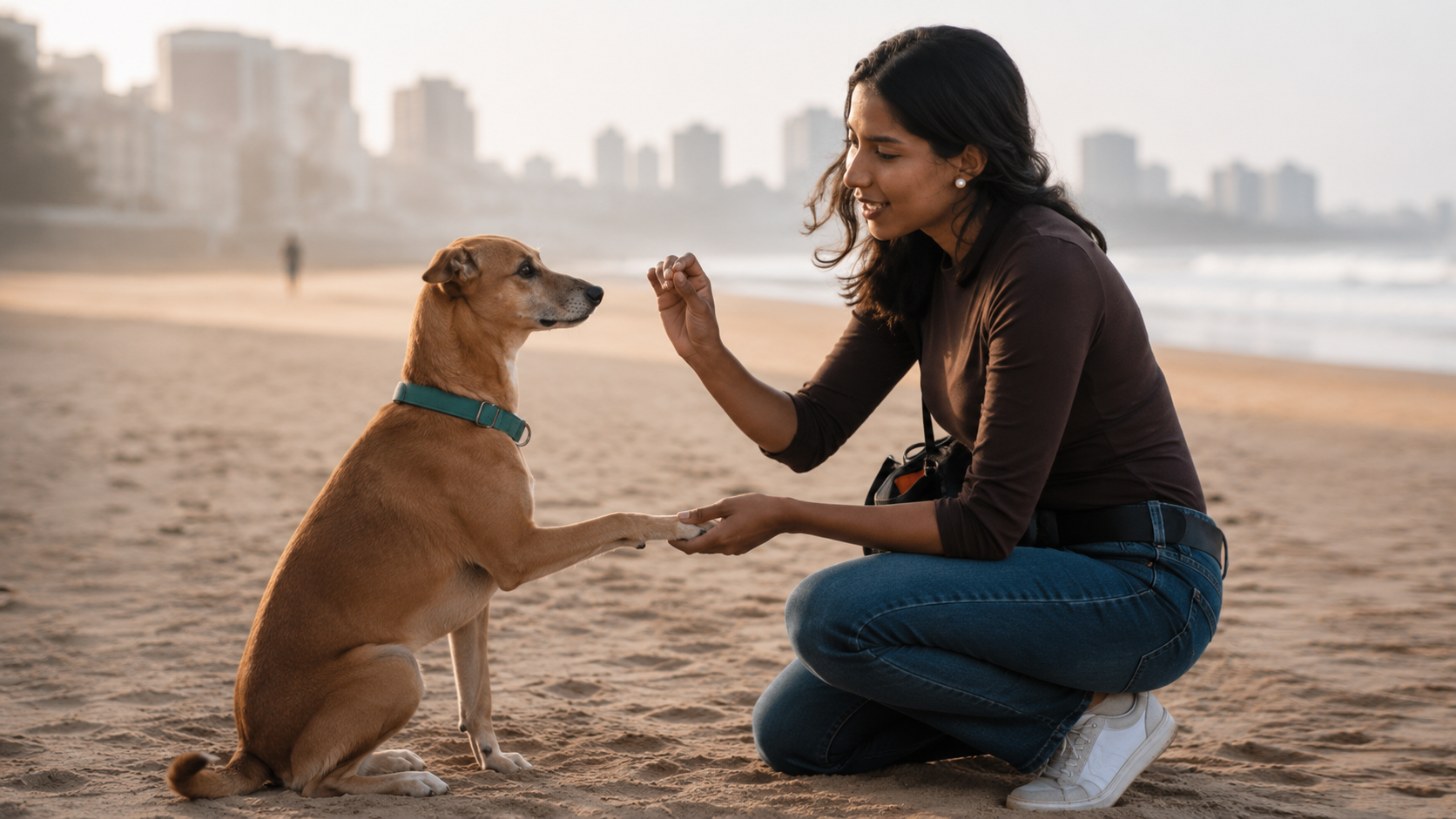
The formal animal welfare sector in India today includes a significant and growing number of women in animal welfare India who work as veterinarians, shelter directors, and NGO founders, combining clinical expertise with organisational leadership. They build sterilisation programmes, manage complex shelter operations, and drive policy advocacy at state and national levels.
Earthlings Trust’s own team and volunteer network reflects this broader pattern, with women driving significant portions of our rescue operations, shelter management, and community outreach in Noida and Delhi NCR. If you are considering formalising your own rescue work, our guide on how to start an animal welfare NGO in India walks through the practical steps many women-led organisations have followed.
Challenges Women in Animal Welfare India Face
Despite their central role, women in animal welfare India frequently face specific, gendered obstacles.
- Physical safety concerns during night-time rescues or feeding rounds in poorly lit or unfamiliar areas.
- Limited access to capital for scaling informal rescue efforts into formally registered, better-resourced organisations.
- Social dismissiveness, since the labour of feeding and rescuing animals is sometimes trivialised as a “hobby” rather than recognised as serious, skilled, and demanding work.
- Balancing unpaid caregiving labour, as many women juggle rescue work alongside professional careers and family responsibilities, with the animal welfare work itself frequently remaining entirely unpaid.
Supporting Women-Led Animal Welfare Efforts in India
Supporting women in animal welfare India also means addressing the specific challenges they face. Here are practical ways to help the women who carry so much of this movement forward.
- Recognise and formally support informal feeders and fosters in your community by offering to help with costs, transportation, or connecting them with registered NGOs for veterinary support. Our guide to community dog feeding etiquette for housing societies and RWAs is a useful starting point.
- Support women-led NGOs and shelters through donations, volunteering, or skills-based support such as legal, financial, or marketing help that can formalise and scale grassroots efforts.
- Advocate for safety measures, including well-lit community spaces and RWA support, that make feeding and rescue rounds safer for the women who conduct them, often during early morning or evening hours.
- Amplify their stories. Much of this work remains invisible simply because it is rarely told, and sharing the efforts of women rescuers helps build broader public recognition and support.
FAQ: Women in Animal Welfare India
Q: Why are women central to animal welfare in India?
A: Women in animal welfare India have shaped the movement since its formal founding. Rukmini Devi Arundale, a renowned humanitarian, was the first chairperson of the Animal Welfare Board of India in 1962, and today, women continue to lead the overwhelming majority of grassroots rescue efforts, shelter operations, and community feeding networks across the country.
Q: Who was the first chairperson of the Animal Welfare Board of India?
A: Rukmini Devi Arundale, a prominent humanitarian and cultural figure, was instrumental in establishing the Board in 1962 and served as its first chairperson, shaping India’s institutional approach to animal welfare from its founding.
Q: Are most animal rescue volunteers in India actually women?
A: While comprehensive national data is limited, the overwhelming, widely observed pattern across grassroots feeding networks, fostering communities, and NGO volunteer bases in India strongly reflects women’s leadership and participation at every level of animal welfare work.
Q: How can I support women-led animal rescue efforts in my own community?
A: Look for informal feeders and fosters in your neighbourhood and offer practical support: covering food or veterinary costs, connecting them with a registered NGO, or simply amplifying awareness of their work within your community.
Q: Does Earthlings Trust have women in leadership roles?
A: Yes, women play a central role across Earthlings Trust’s rescue operations, shelter management, and community outreach efforts in Noida and Delhi NCR, reflecting the broader pattern seen across Indian animal welfare.
Conclusion: A Movement Owed a Greater Debt Than It Is Given
From the founding of India’s first animal welfare institutions to the daily, unglamorous work of feeding, rescuing, and rehabilitating street animals today, women in animal welfare India have been the consistent, driving force behind this movement, often without formal recognition, funding, or institutional support.
Recognising and actively supporting this leadership is not a symbolic gesture. It is a practical necessity for the continued strength of animal welfare in India.
Earthlings Trust honours the women who have shaped this movement, and we invite you to support and amplify their ongoing work. Contact us at earthlingstrust@gmail.com to learn how to get involved.