

When the first cold wave rolls into Delhi NCR, most of us pull out a quilt, switch on a heater and wrap our hands around a cup of chai. For shelter dogs in winter, there is no switch to flip. Every warm bed, every dry corner and every extra meal has to be planned, paid for and carried in by people who care. At Earthlings Trust, the weeks between late November and February are among the busiest of our year, because the cold does not wait for anyone.
This guide explains why shelter dogs in winter are so vulnerable, what we do every day to keep our rescued dogs safe, and the simple ways you can help, whether you live next door to our Noida shelter or on the other side of the country.
Table of Contents
Why Shelter Dogs in Winter Need Extra Care
A healthy, well-fed dog with a thick coat can handle a chilly morning. Most of the dogs who reach a shelter are not in that position. They arrive after accidents, illness, abandonment or years of surviving on the street. Many are thin, some are recovering from surgery, and others are seniors whose joints ache in the damp.
North Indian winters bring a hard combination: night temperatures that drop to low single digits, dense fog that keeps the ground wet, and cold winds that cut through open kennels. Veterinarians warn that prolonged cold can lead to frostbite on ears, paws and tail tips, and to hypothermia, which can be life-threatening. The Cornell Riney Canine Health Center’s winter safety tips are a good, science-based read for anyone caring for dogs in the cold.
The dogs most at risk among shelter dogs in winter are:
- Puppies, who cannot regulate their body temperature well yet.
- Senior dogs, especially those with arthritis or weak hind legs.
- Sick and recovering dogs, including post-surgery and tick fever patients.
- Short-coated and underweight dogs, who have little fat or fur to insulate them.
- Paralysed or disabled dogs, who cannot move to a warmer spot on their own.
Signs a Dog Is Too Cold
Our caregivers are trained to watch for early warning signs, and you can watch for them too, whether you have a dog at home or feed dogs on your street:
- Shivering or trembling that does not stop
- Curling into a tight ball and refusing to uncurl
- Lifting paws off the ground or refusing to walk
- Slow movement, weakness or unusual sleepiness
- Cold ears and paws, or pale and greyish skin on the ears
- Whining and constantly searching for a warm place to burrow
If a dog is lethargic, confused or will not stop shivering, move them somewhere warm and dry, wrap them loosely in a blanket and contact a vet. Never use a hot water bottle directly on the skin or place a dog right next to a heater, because sudden heat can cause burns. The American Animal Hospital Association’s cold safety guide explains how to recognise and respond to frostbite and hypothermia.
7 Proven Ways We Keep Shelter Dogs in Winter Warm and Safe
Caring for shelter dogs in winter is not one big task. It is dozens of small ones, repeated every single day. Here is what that looks like at Earthlings Trust.
1. Dry, Raised Bedding
Cold floors steal body heat faster than cold air. We lift beds off the ground using wooden pallets and layer them with jute sacks, straw or old blankets and mattresses. Bedding is checked every morning and replaced as soon as it gets damp, because wet bedding is worse than no bedding at all.
2. Blocking Wind and Fog
Open kennels are covered with tarpaulin sheets and curtains at night to keep out the wind and the fog. We still leave room for ventilation, as dogs need fresh air to stay healthy, but the goal is to stop cold drafts from blowing straight across their beds.
3. Coats and Sweaters for the Vulnerable
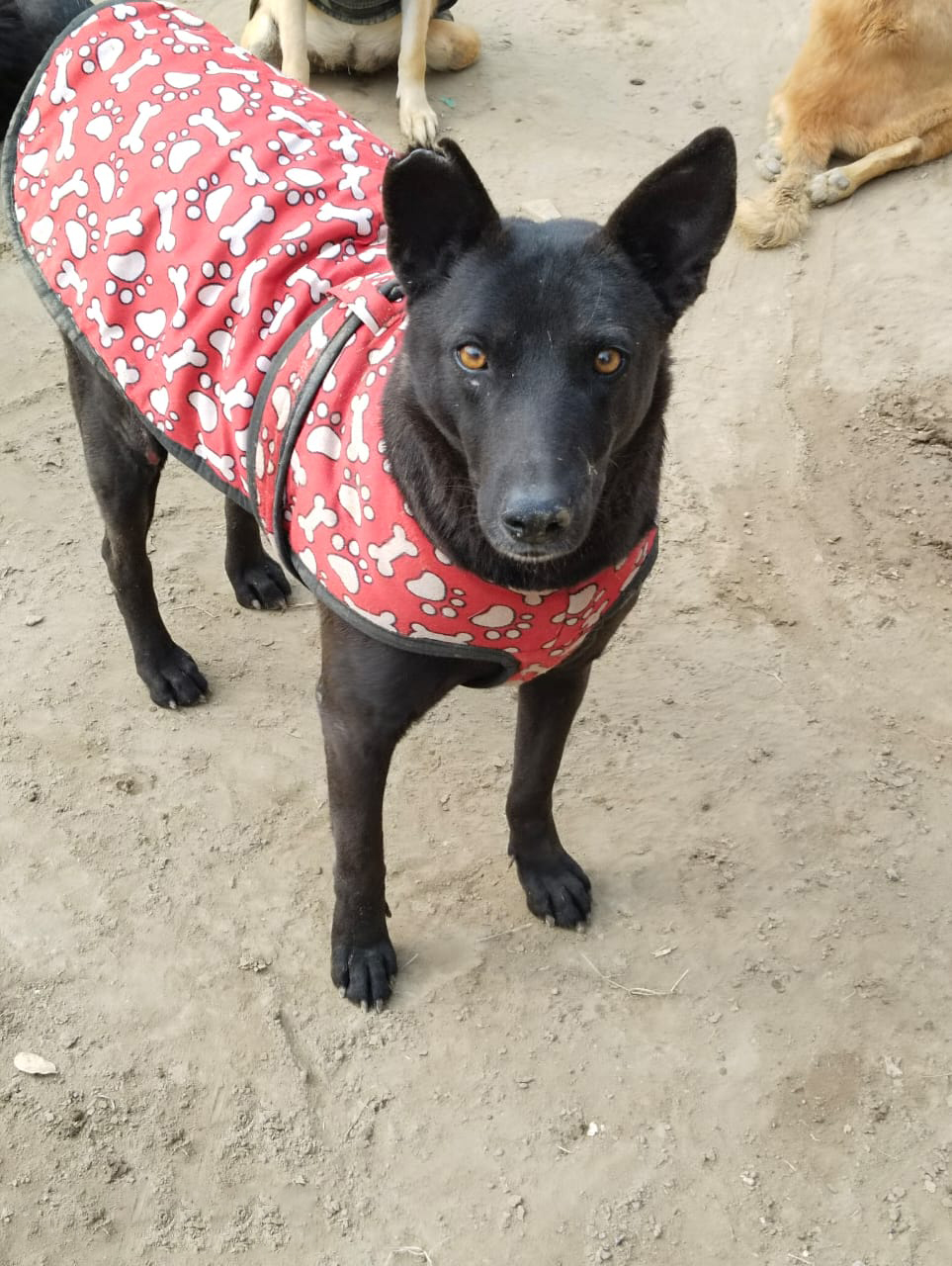
Not every dog needs a jacket, but puppies, seniors, short-coated and recovering dogs often do. Donated sweaters and dog coats are a huge help during these months. Each one is washed, checked for loose threads and fitted so it does not rub or restrict movement.
4. Warm, High-Calorie Meals
Dogs burn more energy simply staying warm. In winter, we serve freshly cooked, warm meals and increase portions for thin and recovering dogs. A warm meal of rice, dal, eggs or chicken with a spoon of ghee gives them the fuel they need to get through a cold night. You can support this directly by choosing to sponsor a meal for our dogs.
5. Lukewarm Water, Not Ice-Cold Bowls
Dogs drink less when water is freezing cold, and dehydration is a real risk even in winter. Water bowls are refilled with lukewarm water several times a day, especially early in the morning when the night chill has settled in.
6. Daily Health Checks and Vet Support
Winter can make existing illnesses worse. Our team does daily rounds to check for shivering, coughing, stiffness and skin problems. Senior dogs with arthritis receive extra attention and pain management as advised by our vet. Keeping vaccinations up to date also matters, because a weakened dog fights infections poorly in the cold. Learn more about our vaccination drive.
7. Grooming Without Bathing Too Often
A clean, brushed coat insulates far better than a matted one. We brush coats regularly and keep baths to a minimum during winter. When a dog must be bathed, it is done around midday with warm water, and the dog is dried thoroughly before going back to bed.
The Real Cost of Caring for Shelter Dogs in Winter
Every winter, our expenses rise sharply. Blankets, tarpaulins, straw and jute sacks need replacing. Food costs go up because portions increase. Vet bills climb as older and weaker dogs struggle with the cold. Electricity and cooking fuel cost more as meals are served warm.
None of this is optional. For shelter dogs in winter, a missing blanket or a skipped warm meal can be the difference between a dog who wakes up wagging and one who does not wake up at all. That is why we rely on our community, and why every contribution, however small, has an immediate and visible impact.
How You Can Help Shelter Dogs in Winter
You do not need to run a shelter to make a difference. Here are practical ways to help shelter dogs in winter this season:
- Donate to our winter care drive. Your contribution goes straight to blankets, bedding, tarpaulins and warm meals. Visit our winter care campaign to give.
- Donate old blankets, sweaters and jute sacks. Clean, used items are perfectly fine. Please avoid anything with loose fibres or plastic beads that a dog could swallow.
- Virtually adopt a dog. If you cannot bring a dog home, you can still become their guardian through our virtual dog adoption programme and support their care all winter long.
- Volunteer your time. Help us wash bedding, serve warm meals or simply sit with the shy dogs who need company. Reach out through our contact page.
- Foster or adopt. A warm home is the best winter gift any dog can receive. Puppies and seniors especially benefit from a cosy indoor space during the coldest months.
- Share our story. Post about shelter dogs in winter on your social media, tag your friends and help us reach people who want to help but do not know how.
Caring for Community Dogs on Your Street This Winter
The same principles that protect shelter dogs in winter can help the dogs in your colony or neighbourhood. Place a few cardboard boxes or wooden crates lined with straw or old blankets in a sheltered corner, away from traffic. Offer a warm meal in the evening, when temperatures start to fall, and fresh lukewarm water in the morning. Before starting your car on a cold morning, tap the bonnet or honk gently, because dogs and cats often crawl into engines for warmth. If you spot a dog who looks sick, injured or too weak to move, contact a local rescue group or vet as soon as possible.
For a deeper guide, read our posts on winter care for street dogs and how to build a low-cost dog shelter.
Frequently Asked Questions
What temperature is too cold for dogs?
It depends on the dog’s coat, size, age and health. Healthy adult dogs with thick coats tolerate cold better, while puppies, seniors, small dogs and short-coated dogs feel it much sooner. If a dog is shivering, lifting their paws or seeking warmth, they are too cold, whatever the thermometer says.
Should dogs wear sweaters in winter?
Not every dog needs one. Sweaters help puppies, seniors, thin or short-coated dogs and those recovering from illness. Make sure the sweater fits well, is kept dry and does not restrict movement or rub the skin.
What is the best bedding for shelter dogs in winter?
Straw, jute sacks, old blankets and foam mattresses all work well, as long as the bed is raised off the cold floor and kept dry. Avoid damp cloth, since wet bedding draws heat away from the body.
How can I help a shelter in winter if I cannot donate money?
Donate clean blankets and sweaters, volunteer your time, foster a puppy or senior through the coldest weeks, or share the shelter’s appeals online. Every bit of help counts.
Every Warm Night Starts With You
Winter is hard, but it does not have to be cruel. With dry beds, warm food, careful medical attention and a community that shows up, shelter dogs in winter can come through the cold season healthy and happy. Our dogs cannot thank you in words, but you will see it in the wagging tails and sleepy, contented faces on a foggy January morning.
Ready to help? Support our winter care drive today and give a rescued dog a warm, safe winter.